Chocolate hampers are the edible equivalent of a warm hug—soft, sweet, and instantly mood‑lifting. Yet, when the gift‑wrapping service drops the ball, that hug can turn into a sticky mess. In this article we’ll explore the most common gift wrapping service issues for chocolate hampers, why they happen, and how both retailers and customers can keep the cocoa‑filled goodness intact. Expect practical tips, a dash of humor, and a few tasty anecdotes along the way.
Understanding the Basics of Chocolate Hamper Presentation
Why Wrapping Matters
First impressions count, especially when the gift is edible. A beautifully wrapped chocolate hamper signals care, effort, and a touch of luxury. It also protects delicate truffles, pralines, and bars from bruises, temperature swings, and curious pets. Think of the wrapping as the armor that lets the chocolate shine without fear of battle damage.
Common Materials Used
Most businesses rely on a handful of go‑to materials:
- Glossy paper with foil accents for a festive sparkle Tissue paper in pastel hues to cushion each piece Cardboard dividers that keep ganache‑filled truffles from colliding Decorative ribbons and bows that add a “wow” factor
When these elements are chosen wisely, they work together like a well‑orchestrated choir—each note supporting the sweet melody of the chocolates inside.

Typical Gift Wrapping Service Issues for Chocolate Hampers
Temperature and Melt Risks
Chocolate is a temperamental lover; it melts at around 86°F (30°C). A common wrapping misstep is using heat‑insulating materials that trap warmth, turning silky ganache into a puddle. One retailer recounted a holiday rush where a batch of sea‑salt caramel truffles arrived at a client’s door looking like a chocolate‑smeared snow globe. The culprit? A thick, non‑breathable plastic wrap that acted like a sauna.
Over‑Packaging and Waste
In the race to look impressive, some services over‑wrap, layering multiple sheets of paper, plastic, and glitter. While it may look lavish, the excess material can crush delicate pieces and create unnecessary waste—an environmental faux pas that many eco‑conscious shoppers won’t overlook. As the old saying goes, “Less is more,” especially when “more” means a broken praline.
Incorrect Labeling or Branding
A mismatched label can be more than an aesthetic slip; it can cause confusion about allergens, expiration dates, or even the brand itself. One anecdote involves a boutique chocolatier whose hampers were mistakenly labeled with a rival’s logo. The customer, expecting dark‑rum infused truffles, received milk‑chocolate hazelnut bites instead—leading to an awkward, yet memorable, taste test.
How to Spot a Problem Before It Spoils the Surprise
Checklist for Quality Assurance
A simple pre‑delivery audit can catch most issues. Use the following list as a quick reference:
- Temperature check: Ensure the package feels cool to the touch, especially in summer shipments. Visual inspection: Look for wrinkles, tears, or crushing in the outer wrap. Label verification: Confirm allergen warnings, brand name, and expiration date are correct. Fit assessment: Verify that each chocolate piece sits snugly without shifting. Eco‑audit: Count the layers of non‑recyclable material; aim for the leanest, most protective option.
By ticking these boxes, you reduce the odds of a chocolate catastrophe and keep the recipient’s excitement intact.
Solutions and Best Practices for Businesses
Training Staff on Chocolate‑Friendly Techniques
Investing in staff education pays sweet dividends. Workshops that cover chocolate tempering basics, proper handling, and the science of heat transfer can transform a generic wrapping crew into chocolate custodians. A short video demonstration—showing how to fold tissue paper without creating air pockets—can be more effective than a ten‑page manual.
Partnering with Specialized Wrappers
Not every gift‑wrapping service has a PhD in cocoa chemistry. Partnering with vendors who specialize in edible gifts ensures that the materials they use are breathable, moisture‑resistant, and aesthetically aligned with the product. Look for certifications such as “Food‑Safe Packaging” or “Sustainable Wrapping” when vetting potential partners.
The Sweet Spot: Turning Issues into Opportunities
Creative Alternatives to Traditional Wrap
When conventional wrapping proves problematic, think outside the box—literally. Options include:
- Reusable fabric pouches (think elegant drawstring bags) that keep chocolates cool and can be repurposed. Bamboo boxes with a natural, insulating feel, perfect for eco‑friendly branding. Clear acrylic containers that showcase the chocolates while protecting them from external pressure.
These alternatives not only solve many gift wrapping service issues for chocolate hampers, they also add a memorable “wow” factor that encourages repeat purchases.
Customer Communication Tips
Transparency builds trust. If a delay or packaging change occurs, let the customer know with a friendly note that explains the reason—perhaps a switch to a more sustainable material that also prevents melting. A light‑hearted line like, “We’ve upgraded your wrap so the chocolate stays cool, not just the customer,” can turn a potential complaint into a brand‑building moment.
Making Your Chocolate Hamper Unwrapable Delight
When the wrapping is flawless, the unwrapping becomes an experience—a moment where anticipation Click for more info builds like a rising soufflé. By addressing the common pitfalls outlined above, you ensure that each chocolate hamper arrives Homepage as a polished, melt‑free masterpiece.
So, are you ready to elevate your gifting game? Review your current processes, test a new eco‑friendly pouch, and watch your customers’ smiles widen with every reveal. After all, a well‑wrapped chocolate hamper is more than a gift; it’s a story waiting to be untied, a sweet surprise that says, “I thought of you, and I cared enough to get it right.”
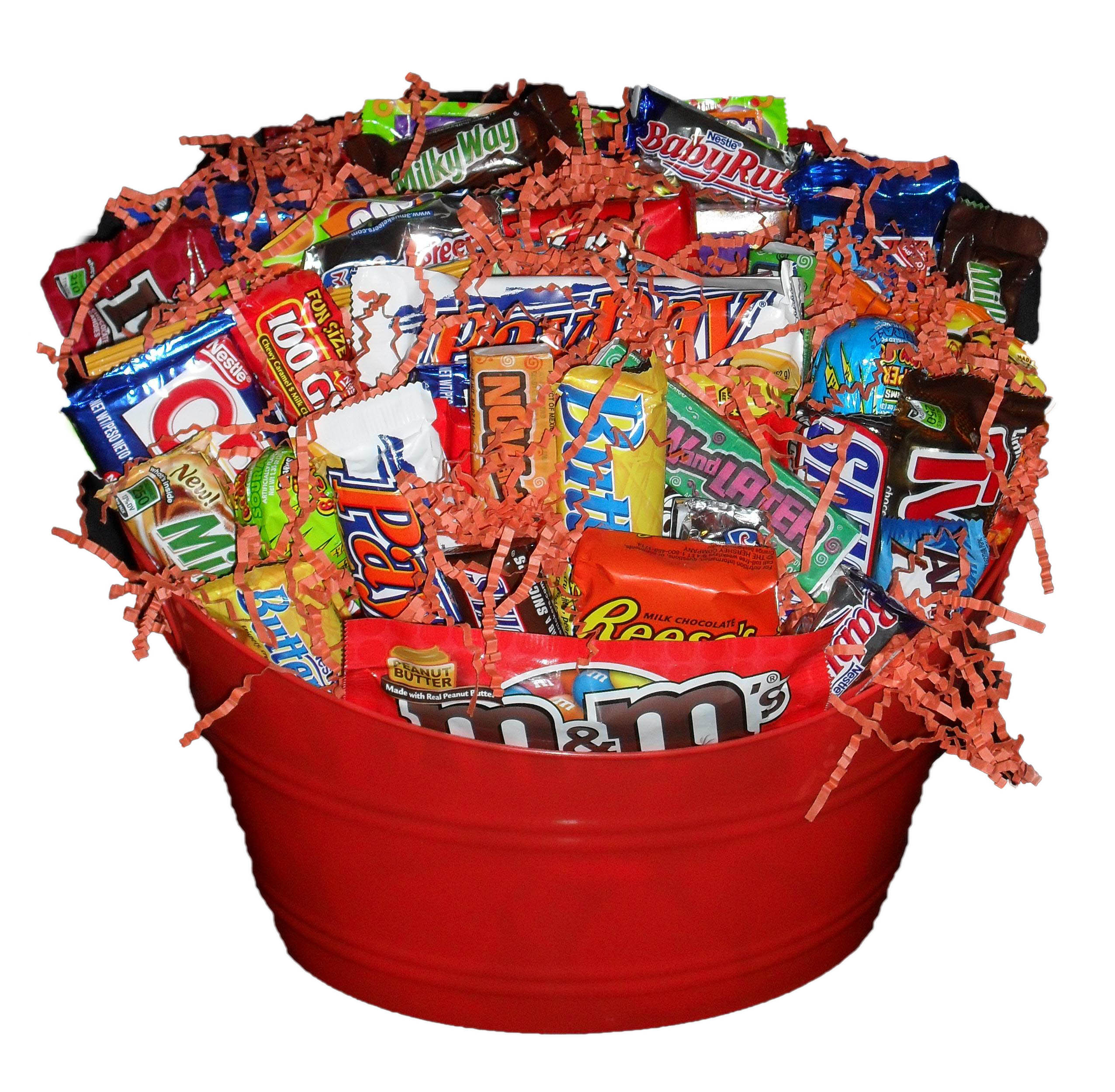
*Take the first step today—audit your wrapping routine, and let the cocoa‑filled joy flow without a single hiccup.*